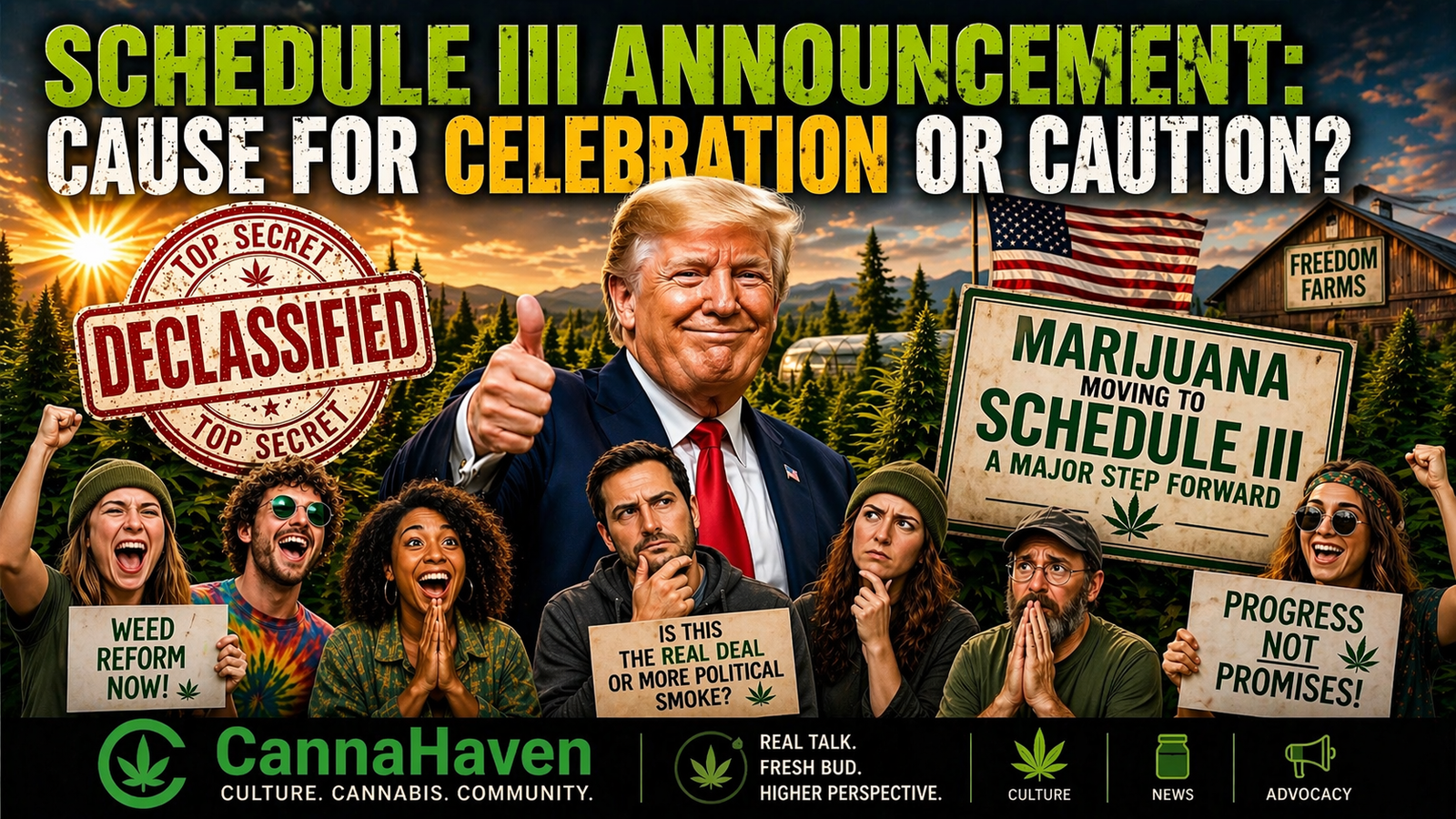

President Donald Trump penned an official order declassifying cannabis to a Schedule III drug on April 23, but just several miles up the road, Virginia lawmakers had a different idea on what laws should be planted in their region. The contrast could not be clearer. On one level, the federal government is signaling a shift in how cannabis is viewed from a regulatory and medical standpoint. On another, Virginia remains locked in an ongoing debate about how — or whether — to fully implement a functioning legal marketplace.
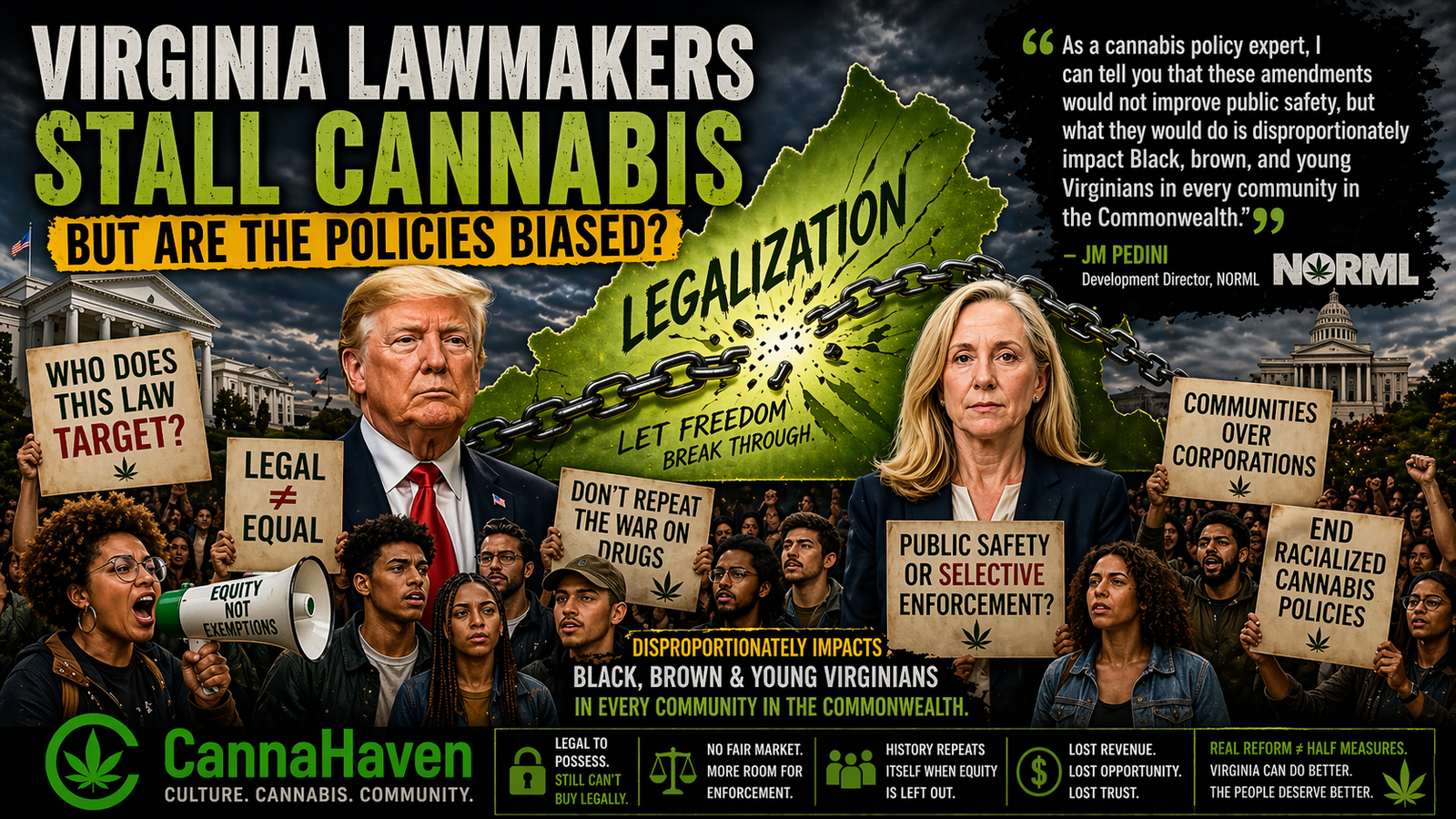
The latest development came as lawmakers rejected proposed amendments tied to Governor Abigail Spanberger’s cannabis framework, effectively stalling progress on retail legalization. While possession remains legal in the state, the absence of a structured system for legal sales continues to define Virginia’s cannabis landscape. That gap between legality and accessibility has become one of the central issues shaping policy conversations across the Commonwealth.
However, JM Pedini, the development director at the National Organization for the Reform of Marijuana Laws, spoke Kamilah Williams for News 3 and told them, “As a cannabis policy expert, I can tell you that these amendments would not improve public safety, but what they would do is disproportionately impact Black, brown, and young Virginians in every community in the Commonwealth.” The statement adds another layer to the discussion, shifting the focus from legislative delay to the potential real-world impact of the proposed policies.
Pedini’s concerns highlight a broader issue that has followed cannabis legislation for decades: how enforcement is applied once laws are in place. Even in states where cannabis has been legalized in some form, disparities in enforcement have remained a consistent topic of concern. By raising questions about who would be most affected by the amendments, NORML is emphasizing the importance of policy structure, not just policy intent.
Virginia’s current position reflects a transitional phase that several states have experienced, where legalization exists in limited form but the infrastructure to support it remains incomplete. Without a regulated retail system, consumers are left navigating a fragmented environment, and policymakers continue to debate how to close that gap. The rejection of the amendments leaves that process unresolved, extending the timeline for any comprehensive rollout.
At the same time, the federal shift toward Schedule III classification introduces a new dynamic that could influence state-level decisions moving forward. Changes at the federal level often reshape how states approach regulation, particularly in areas such as taxation, research, and business development. Whether that momentum will carry into Virginia’s legislative process remains uncertain, but it adds context to the timing of the state’s ongoing debate.
We’ll see what the future holds for VA but it won’t be a trip to dispensary soon.